
Travelling and Investing in Ghana: Why 2025 Is the Year to Act
I’m from the ShowMeGhana Team, and in our recent post I walked viewers through why travelling and investing in Ghana is rapidly becoming one of the smartest moves for global investors and adventurous travellers alike. Ghana’s story is more than headlines — it’s about real growth, exciting entrepreneurs, and clear pathways to participate in a market that’s still early but accelerating fast.



Ghana’s growth story — numbers that matter
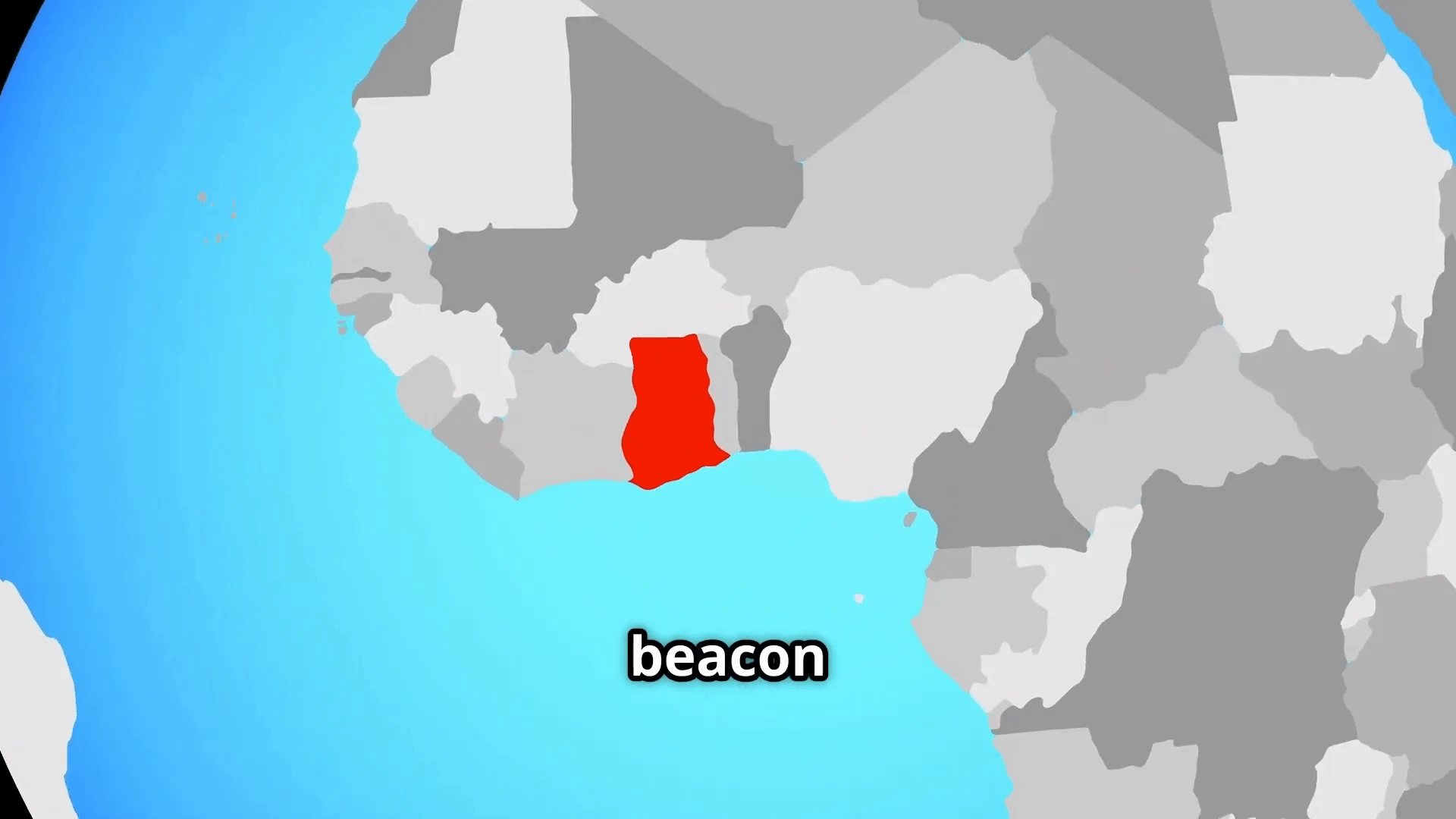
Ghana recorded an impressive 8.9% GDP growth in 2021 and has averaged roughly 5% GDP growth over the last decade. Those figures are not just statistics; they represent rising consumer demand, expanding infrastructure, and a more predictable business climate. If you’re considering travelling and investing in Ghana, these macro signs show the country is moving from potential to performance.
What sets Ghana apart: stability, policy, and connectivity
Ghana stands out in West Africa for its stable democracy and business-friendly policies. While other markets may face uncertainty, Ghana’s political continuity and clear investment frameworks — including the Ghana Investment Promotion Centre (GIPC) — reduce the friction for newcomers. The African Continental Free Trade Area (AfCFTA) further amplifies opportunity by linking Ghana to a single market of more than 1.3 billion people.
Natural resources and innovation — a diverse opportunity set
Traditional sectors remain strong: gold mining contributed approximately $7.7 billion to the economy last year. At the same time, the tech scene is vibrant. I introduced viewers to Sarah Owusu, a tech founder who began with a laptop and a vision — today her fintech startup in Accra is valued at over $1 million. These parallel narratives — resource strength and digital disruption — create complementary investment routes.

High-growth sectors to watch
- Ecommerce: Growing at about 51% annually — a clear sign of changing consumer behavior.
- Fintech: Services now reach roughly 31 million Ghanaians, reshaping payments, lending, and savings.
- Real estate: Neighborhoods like Cantonments and East Legon are seeing rapid development and rising returns.
- Capital markets: The Ghana Stock Exchange has shown consistent growth, offering a liquid entry point for many investors.
Common concerns — and practical answers
Many potential investors worry about “Africa risk.” The reality is nuanced: regulatory frameworks such as GIPC requirements exist to protect investors and local stakeholders. Yes, you’ll need local counsel and compliance, but those are normal steps anywhere you do business. Smart investors break down risk into manageable pieces — market research, local partnerships, gradual capital deployment — rather than avoiding the opportunity entirely.
Actionable steps if you’re travelling and investing in Ghana
- Connect with the Ghana Investment Promotion Centre (GIPC) to understand registration and incentives.
- Partner with trusted local experts — legal, tax, and market advisers who know the nuances of Ghanaian business.
- Start small and diversify: test a pilot investment or local partnership with $1,000–$100,000 depending on your strategy.
- Consider listed exposure (Ghana Stock Exchange), real estate in fast-growing neighborhoods, or early-stage fintech/ecommerce plays.

“Being an early mover isn’t just about getting in first — it’s about establishing your presence before the rush begins.”
Where to find more resources
If you’re serious about travelling and investing in Ghana, there are practical guides, market reports, and curated deal flows to help you take the first step. I invite you to explore resources that connect you directly to vetted opportunities and local advisors — this is how you transform interest into impact.

Final thoughts — make 2025 your entry point
Ghana is no longer just a “hidden” gold mine; it’s a dynamic, diversified market with clear entry paths for visitors and investors. Whether you’re planning a research trip, setting up a pilot project, or allocating capital, now is the moment to act. Travelling and investing in Ghana combines cultural richness with real economic momentum — position yourself to benefit from both.
Ready to begin? Start with GIPC, connect with local partners, and consider incremental investments that match your risk profile. Travelling and investing in Ghana can be the beginning of a long-term success story.
Additional resources and next steps
To help you act on the points above, consider visiting official resources and curated guides. Suggested links to add later:
- Ghana Investment Promotion Centre (GIPC) — registration and incentives
- Ghana Stock Exchange (GSE) — market data and listings
- African Continental Free Trade Area (AfCFTA) — trade framework
- Local legal and tax advisors — vetted firms and directories
 Previous Post
 Next Post