
investing in real esatate in Ghana: Why Ghana Is Africa’s Next Real Estate Hotspot
This article draws on insights from the original video and its creator to give you a clear, practical roadmap for investing in real esatate in Ghana. If you’re curious about untapped growth, high rental yields, and fast-moving neighborhoods, read on—Ghana’s market is transforming and the opportunity is real.
Why Ghana now?
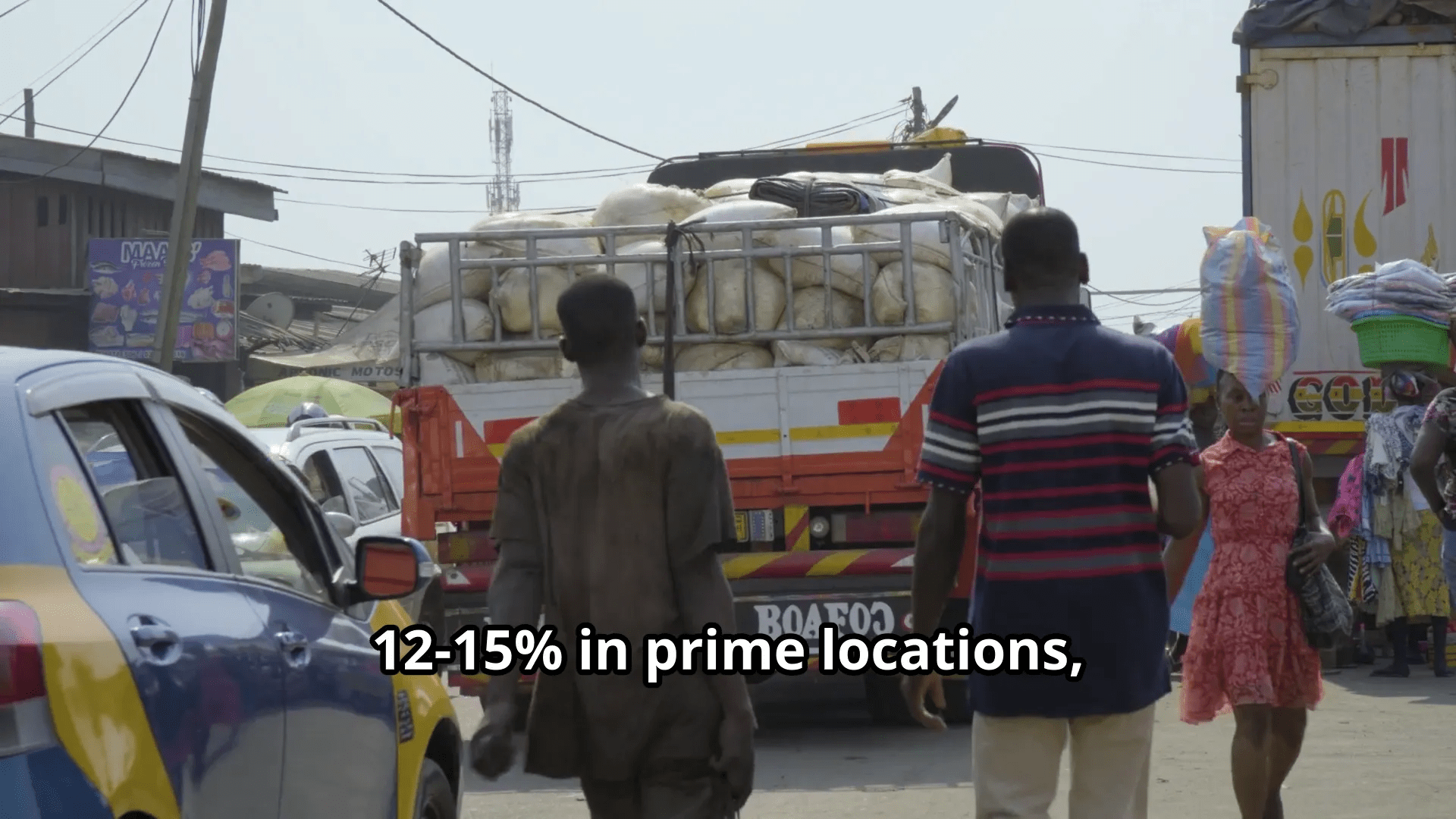
Ghana has emerged as one of West Africa’s fastest-growing property markets. Over the last decade the market recorded roughly 85% growth, driven by rapid urbanization in cities like Accra and Kumasi. Annual rental yields in prime locations are running between 12% and 15%, making this market attractive for both income and capital appreciation.
Real stories, real returns
Individual investors have seen dramatic results. One example: James Chen turned a $50,000 investment into $500,000 in five years—an example of what focused, well-timed investments can produce in the current market.

“You’re witnessing a transformation.”
Neighborhoods such as East Legon, Cantonments, Timah and Airport City are being reshaped by a growing middle class, expatriate demand, and an active tourism sector. In several districts property values have doubled in a few years.

Challenges and how to navigate them
Ghana’s land system—often referred to as Stoollands—can be complex. Expect to work with the Ghana Lands Commission and prepare for slower documentation processes than some investors are used to. That said, understanding these local realities reduces risk significantly.
“I waited too long to invest.”
That hesitation is a common regret. The Ghana Smart Cities initiative and ongoing infrastructure projects suggest today’s prices could look like bargains in years to come.
Practical action plan
- Connect with certified local agents through the Ghana Real Estate Professionals Association.
- Schedule consultations with property lawyers experienced in foreign investment and local land law.
- Work with established developers (for example, Devtraco and Trasaco) to reduce construction and title risk.
- Use the Ghana Investment Promotion Center to identify high-potential areas and obtain official guidance.

Next steps
Investing in real esatate in Ghana requires local partnerships, patient due diligence, and a clear exit or rental strategy. Start small if you must, but act—timing matters in a market accelerating as quickly as Ghana’s.
If you want a step-by-step checklist and vetted contacts to begin, follow the guidance above and prioritize certified professionals. The opportunity is here; the time is now for investing in real esatate in Ghana.
Ready to start? Use the action plan, consult experts, and keep your focus on neighborhoods with the strongest rental demand and infrastructure commitments. Investing in real esatate in Ghana can be your next big move.



 Next Post